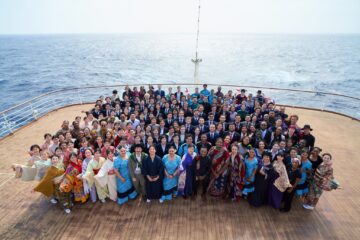
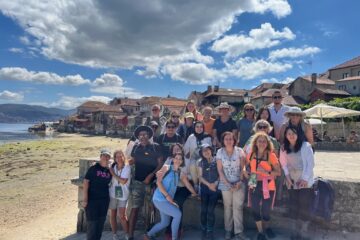
On November 11, 2025, a study session was held at the Embassy of Egypt in Tokyo, co-hosted by IYEO and SWYAA International. The session was organized for participants of the SWYAA international conference “Global Assembly,” which was held last November, as well as members of the International Youth Exchange Organization of Japan (IYEO).
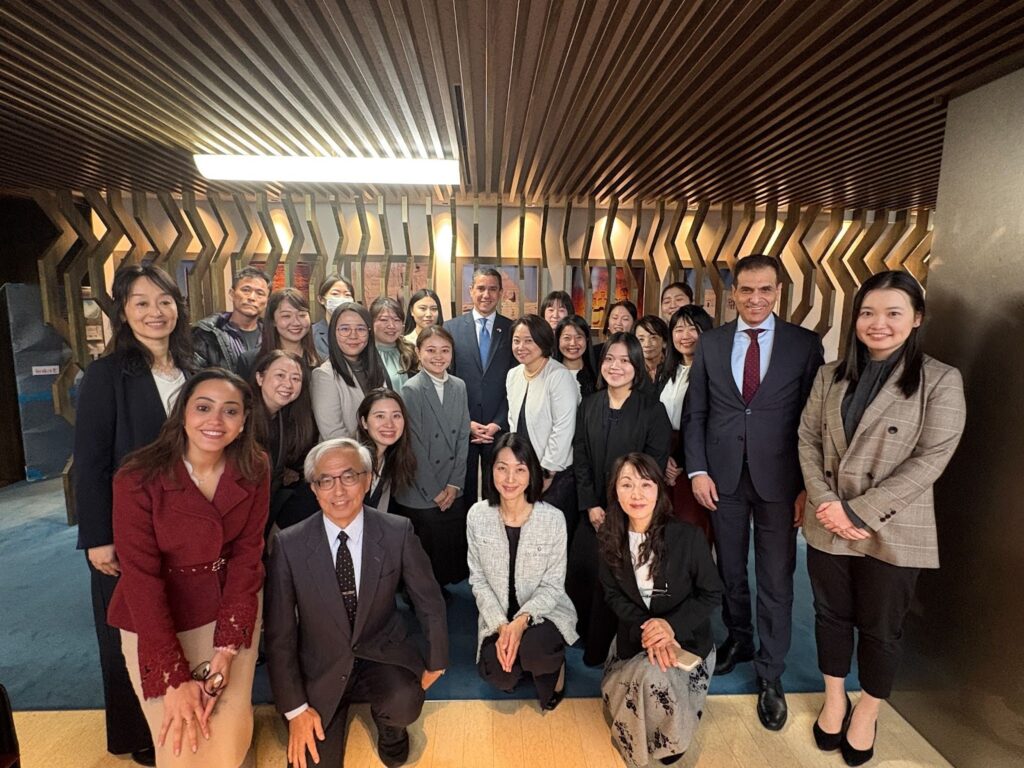
A total of 23 people took part in the session, deepening their basic knowledge in preparation for visiting Egypt. This year’s Global Assembly will bring together more than 300 people from around the world who are interested in international exchange, including alumni of the Ship for World Youth (SWY) Programm. 80 participants will be joining from Japan.
The moment we stepped into the embassy, it felt like entering another world. The interior was lined with Egyptian monuments, and the distinctive scent of a foreign country filled the air, allowing us to experience an overseas atmosphere while still in Japan. It reaffirmed for me that experiences felt through all five senses cannot be replaced by books or information found online.
The session began with opening remarks by Mr. Ragui ElEtreby, Ambassador of the Embassy of Egypt. In his address, he talked about the relationship between Japan and Egypt, and I was surprised to learn that Japanese samurai had visited Egypt even before diplomatic relations were officially established in 1922. At the end of the session, he kindly showed us photographs from that time, which left a particularly strong impression on the participants and sparked great interest.
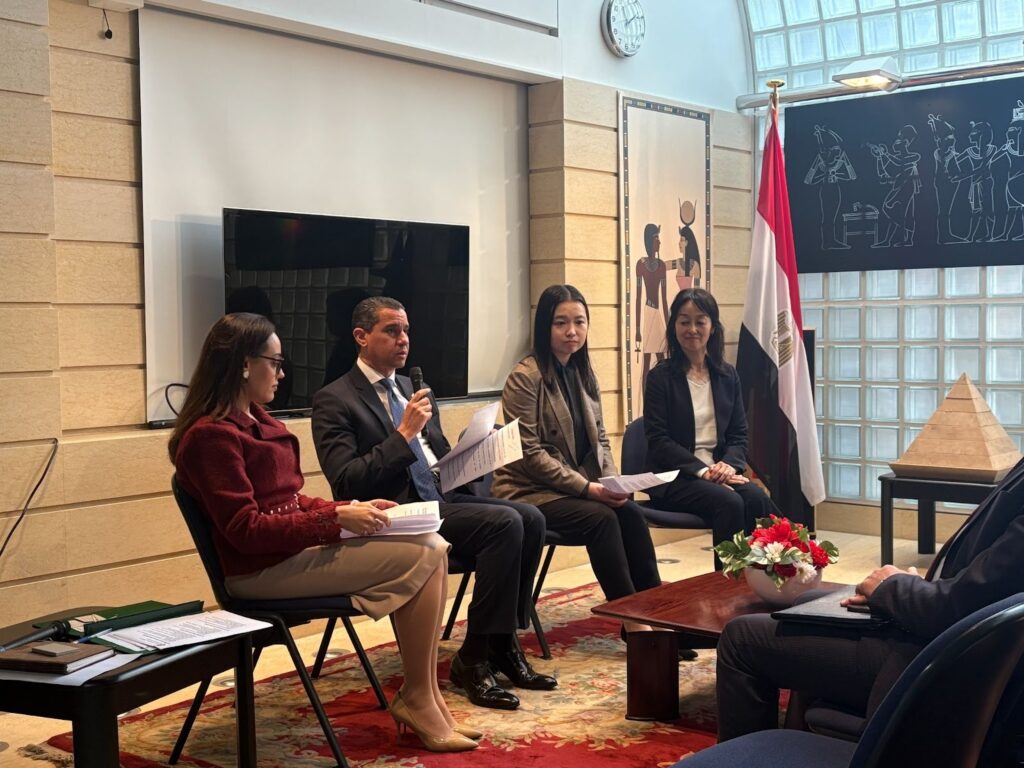
The real, firsthand information shared directly by embassy staff was extremely valuable and stimulating—far more so than what one can learn from the internet or books.
During the Q&A session after the lecture, participants asked many questions, including:
- Arabic phrases useful for building good relationships
- Must-visit places in Egypt
- Egyptian culture, society, and religion
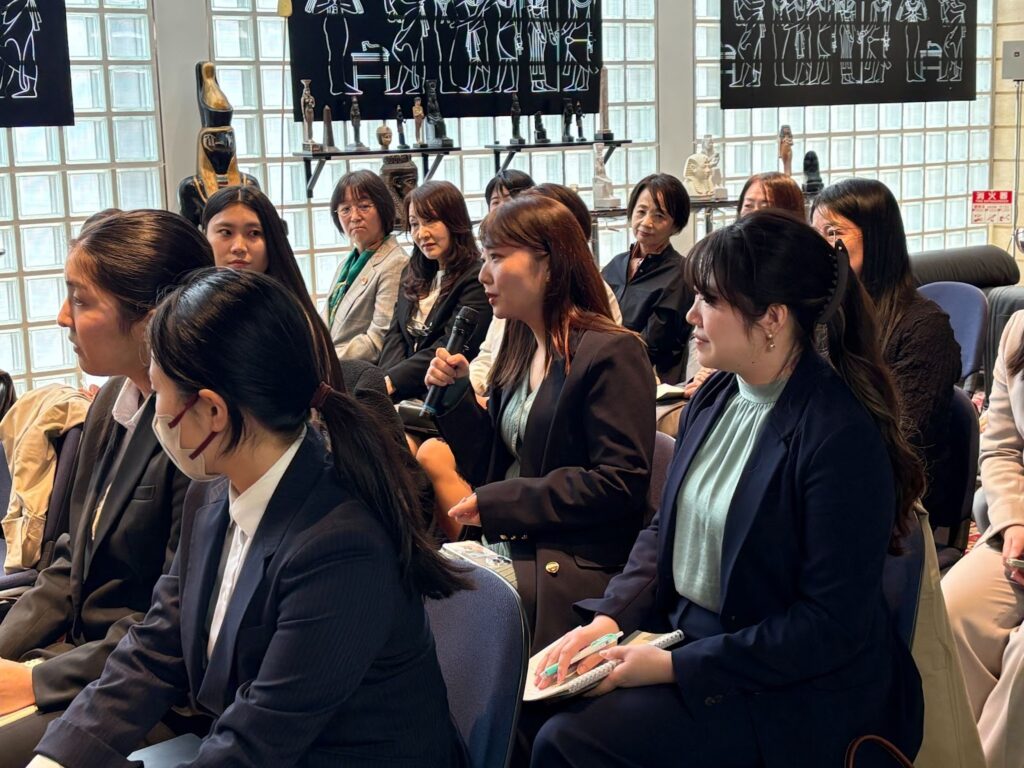
They answered as many questions as time allowed.
As a mother currently on childcare leave, I asked about balancing women’s careers and childrearing. In Japan, this balance is often associated with feelings of anxiety and difficulty, whereas I sensed a more relaxed attitude of “It will work out; it’ll be okay.” Although Japan’s childcare leave system appears more comprehensive on an institutional level, I learned that Egypt has many female ministers who are actively working in leadership roles. This made me realize that cultural attitudes and awareness may be more influential than physical or mandatory support. I hope to gain further insights by speaking with many people on the ground in Egypt.
Through this study session, I was able to learn about the real Egypt in ways that books and the internet simply cannot provide.
At the end of the session, we enjoyed delicious finger foods prepared by an Egyptian chef.
Inspired by what I learned this time, I hope to visit Egypt and continue to maintain a connection with the country in the future.